

Cyberpunk 2077
Cyberpunk 2077 All Endings Explained

Dec
Cyberpunk 2077 has been a wild ride for the fans, with thousands of fans and famous streamers still enjoying it to this day. The game’s open world RPG elements, from character customization to skill progression, and most importantly, its player-driven dialogue choices, change the game’s ending is something that gives a unique experience you can’t find in traditional RPGs. The CD Projekt’s Cyberpunk 2077 is based on a dystopian dog-eat-dog world, with the game’s progression system following the “Your Actions Leave Consequences” ideology. This principle transforms the game’s narrative and story, allowing gamers to have a second thought about their actions while immersing themselves in the game’s futuristic world.
With a total of 6 endings and one secret ending, many fans speculate which ending is canon, and what exactly happens to the V in the epilogue, whether it’s the base game endings or the special endings from the Phantom Liberty DLC. These endings have unique cutscenes and variations depending on the quests and your relationship with the game’s most prominent character’s like Panam, Rogue, Johnny Silverhand, etc. With that said, prepare yourself to get spoiled as we explain all seven endings of Cyberpunk 2077.
How Endings Work in Cyberpunk 2077
The game’s ending takes inspiration from the tarot card’s which are part of it, as the player’s actions determine the game’s ending system. Achieving a satisfying ending involves a combination of dialogue choices, final mission choices, specific side jobs, and relationship level with key characters, with Johnny Silverhand being the most crucial one. If you wonder why Johnny Silverhand is such an important then here are some major spoilers.
Significance of Johnny Silverhand
Voiced and motion-captured by the breathtaking Keanu Reeves, the character was one of the most important figures within the game’s lore who fought against corrupt government and corporations. He earned his nickname Silverhand for having a silver bionic arm. Similarly, his charismatic personality donned the Johnny Silverhand Vest, which comes in rugged black tones. But Johnny wasn’t just a present character but a digital copy of a deceased Robert John Linder, who died prior to the story in 2023. His engram (digital ghost) was placed inside the consciousness of V, the protagonist, which we see throughout the game. So, having a good relationship with him leaves a deep impact on the final mission choices, which change the endings, with the most important one being the Secret ending that heavily involves him.
Ending #1: The Devil Ending Explained
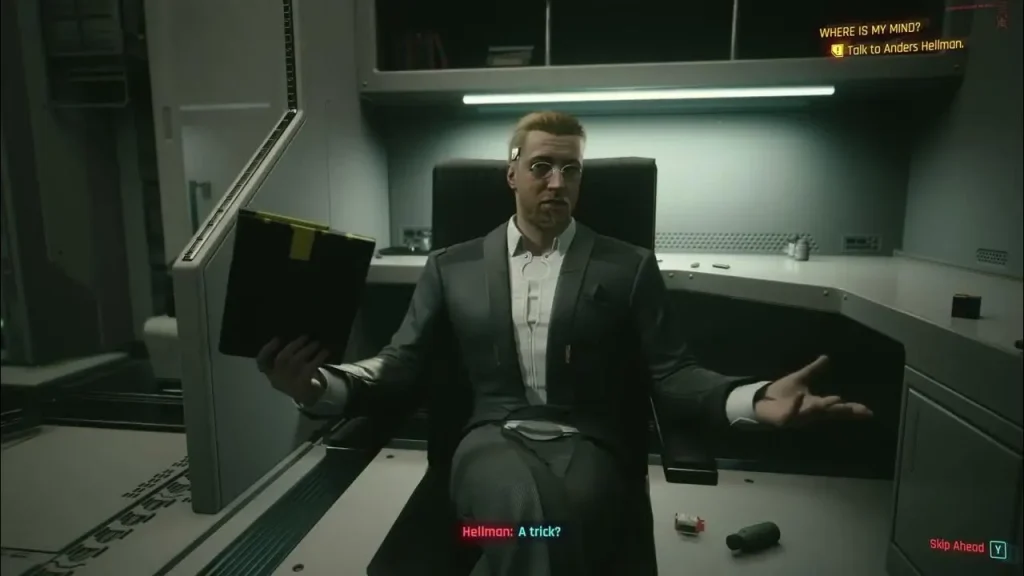
This ending is considered one of the most tragic ones in the story. As its name suggests, this ending is about making a deal with the devil, who is Saburo Arasaka in this case. In this ending, V helps Arasaka take control of his company. As a result, V’s biochip is successfully removed. Still, his synaptic pathways are irreparably damaged, which makes his death inevitable. With only two options left, whether to return to Earth in Night City and die a painful death, or become Arasaka’s digital slave for eternity as a research sample, which results in permanently erasing Johnny Silverhand’s existence from V’s mind.
Ending #2: The Star Ending Explained
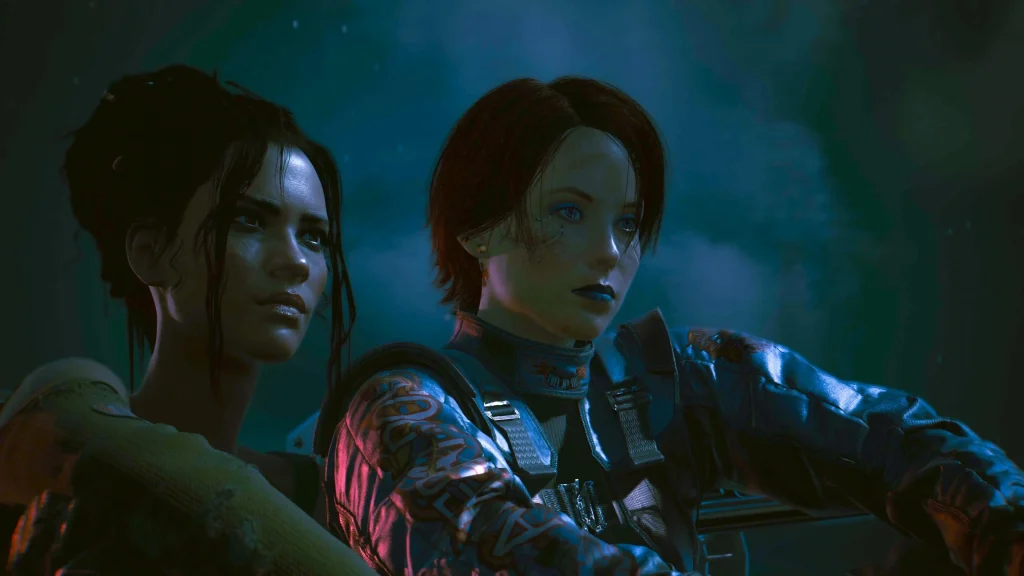
The Star is one of the traditional good endings, in which V storms the Arasaka Tower with Panam Palmer, a nomad who serves as both a prominent figure and a love interest. Panam, donning her signature Panam Palmer Jacket, follows V along with the Aldecaldos, facing the Mikoshi, where V and Johnny are separated. Afterwards, V confronts Adam Smasher. In the epilogues, with a few months remaining, V decides to leave Night City with the Aldecaldos to live out a normal life rather than seek a cure. This ending symbolizes hope, freedom, and family, as V chooses to spend their last days with loved ones before passing away.
Ending #3: The Sun Ending Explained
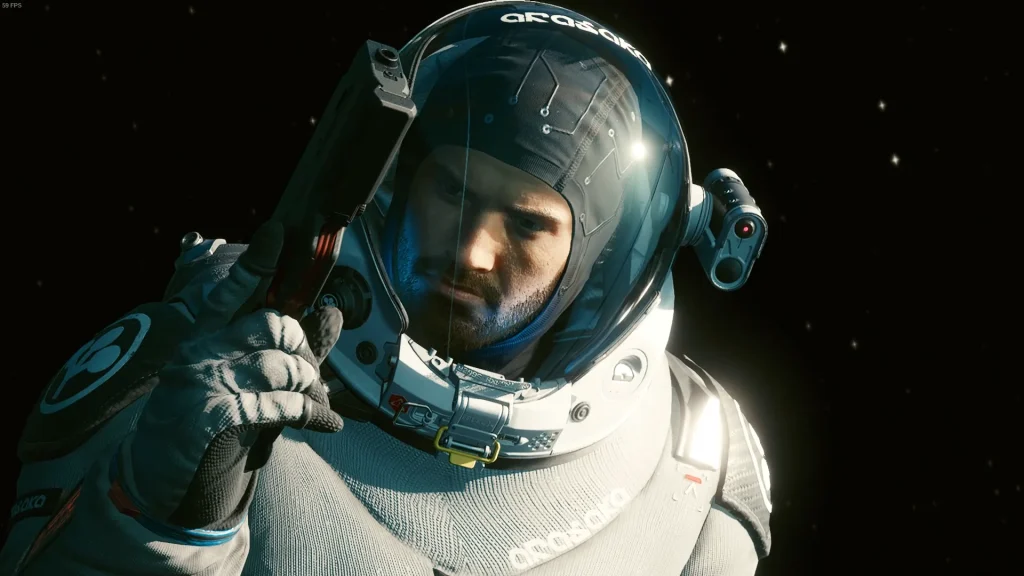
The Sun is a one-man army legendary outcome, in which V and Johnny have fully maximized their trust. They assault Arasaka Tower and defeat Adam Smasher with Rogue’s help, if V gives control to johnny, then Rogue dies in the assault at the sun. As a result, V wakes up in the Afterlife bar, as a legendary figure but has six months left with no cure, he receives a new gig from Mr. Blue Eyes, giving him a second chance with higher stakes.
Ending #4: Temperance Ending Explained
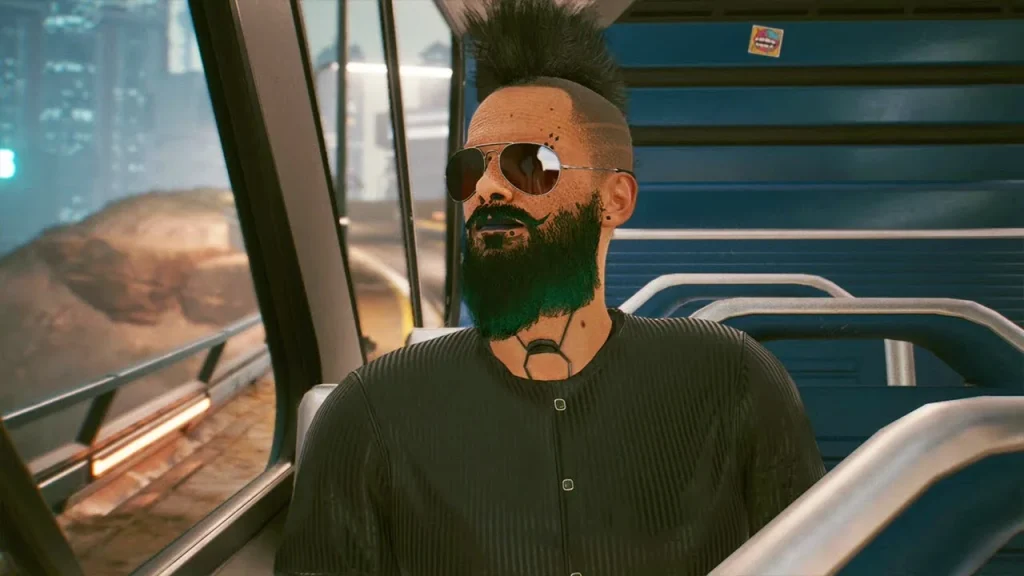
This ending is similar to the sun but has different action and variation, as the V reaches in Mikoshi, crosses the bridge path of glory with Alt as V, or enters the well as Johnny. Still, in either case, V realises there is no cure, so he gives up his body to Johnny Silverhand, and chooses to reside within cyberspace, while Johnny starts a new life in Night City.
Ending #5: Path of Least Resistance Ending
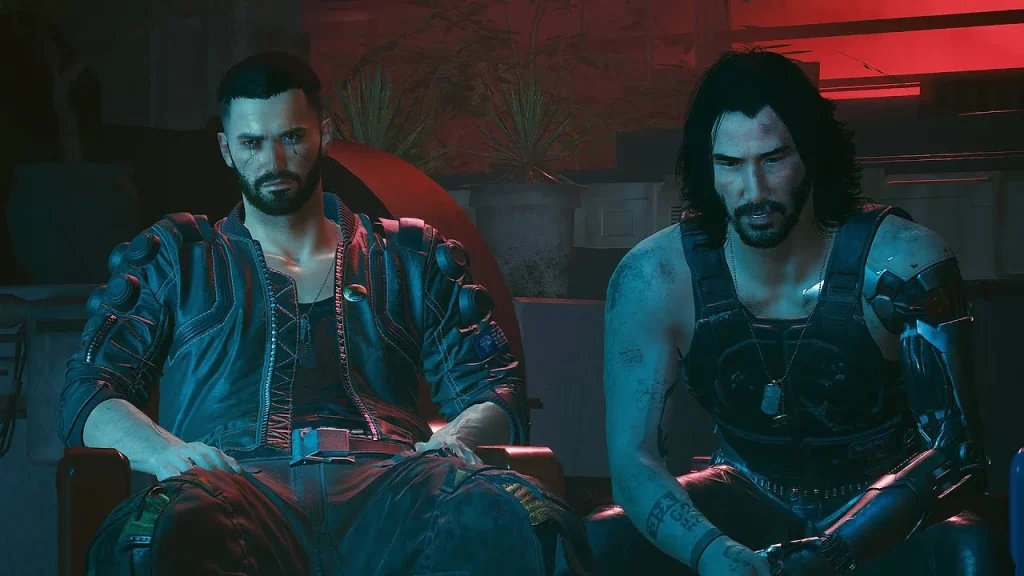
One of the worst, where V simply ends his life on the rooftop rather than fighting against the Mikoshi.
Ending #6: Tower Ending Explained
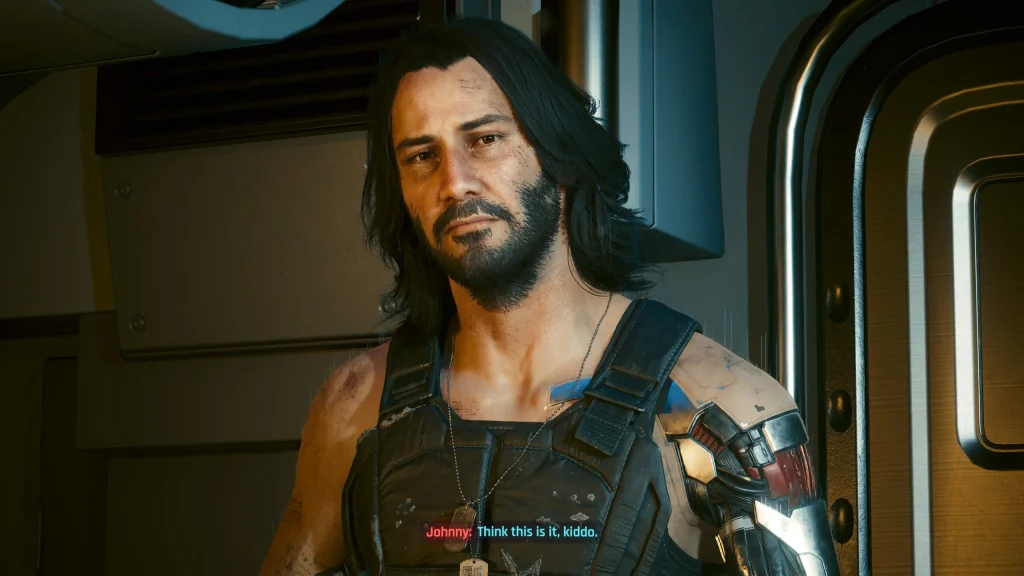
This unique ending is a part of Phantom Liberty DLC, where we meet Solomon Reed, another iconic character portrayed by Idris Elba. Suppose V follows Reed’s questline after Songbird’s fate without betraying him and building his trust. Reed would remain true to his promise and would take V to the Langley, where V is successfully cured, but this results in a 2-year coma, where everyone has moved on. In this ending, V V’s body becomes incompatible with cyberware, causing even low-tier augmentations to be fatal. Moreover, if V kills Reed and allies with Songbird, this leads to the Kings of Wand ending, which results in a bittersweet, unresolved conclusion for V.
Secret Ending (Don’t Fear) The Reaper Explained
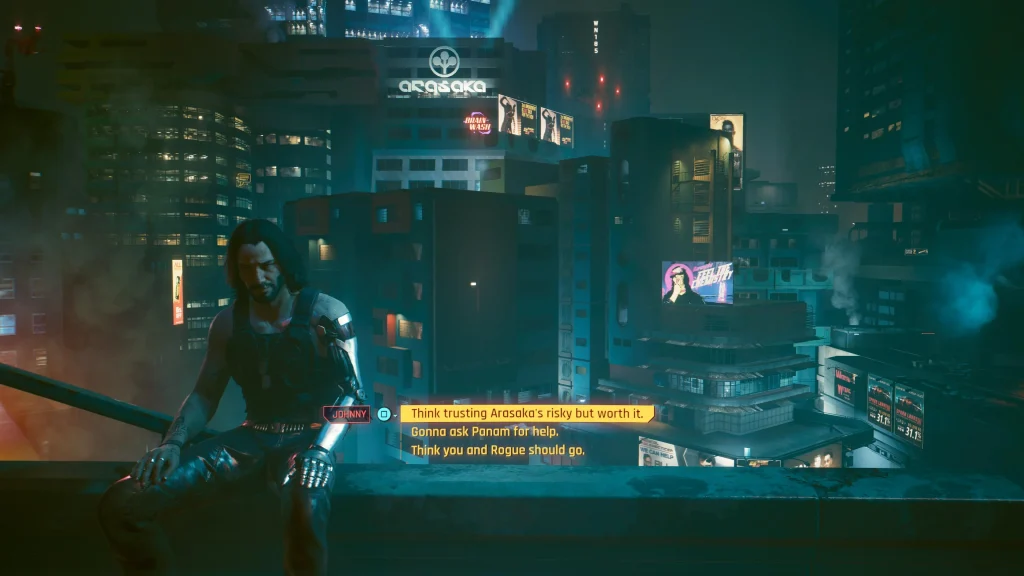
It is one of the hardest combat paths in the game, which leads to Sun and Temperance epilogues, with slight modifications in which V and Silverhand don’t ask for their friend’s help, resulting in Rogue being alive. To achieve this ending players need to build a +70% trust score with Johnny and V, and make specific dialogue choices at the rooftop.
Which Ending Is “Best”?
Many fans argue about different endings in which V lives or dies. Some think endings like The Sun or Star are more optimistic conclusions for V. Others think endings like Temperance are better, giving Johnny a second chance to relive his life. Some fans who want to see V alive and cured believe Tower is the better ending. So as far as it goes, there is no best ending in the game, while the fan community actually discusses which ending is the best or canon, some take indulgence in the roleplaying, by immersing themselves, seeking outcomes of their actions.
FAQs:
Does V live in any ending?
In all 7 endings, three different scenarios explain what happens to V, in endings like Path of Least Resistance and Temperance, where he dies immediately, there is also an ending where he’s cured, while in some other endings, he’s been given a limited time of 6 months, but this time limit actually leaves an open window for a sequel which could lead to a new path where V might finally find a cure, but one can only speculate such beliefs without any announcements from CD Projekt.
What’s the best ending for Cyberpunk?
There is no best ending in the game except those you believe are the satisfying conclusion to the story.
How many endings does Cyberpunk 2077 really have?
There are a total of six main endings in Cyberpunk 2077 and one secret ending, which is a slightly altered version of The Sun and Temperance endings.
Final Thoughts
At the end of the day, Night City isn’t just about freedom but about survival, and with all said and done, the dystopian world of Cyberpunk 2077 is filled with a rich lore, action-packed mayhem, and difficult challenges. And the best thing players can do is overcome by completing major side quests and building trust and relationships with key characters, to reach a satisfying conclusion they desire. Players can choose whether to end the character’s life or give his body to Silverhand. At the same time, other endings allow V to get permanently cured but with an unsatisfying conclusion, or let him live the best of his day during the six-month prognosis. You’ll have a chance to fight for the future you deem best for the character.
